
Industrial Door Maintenance Guide
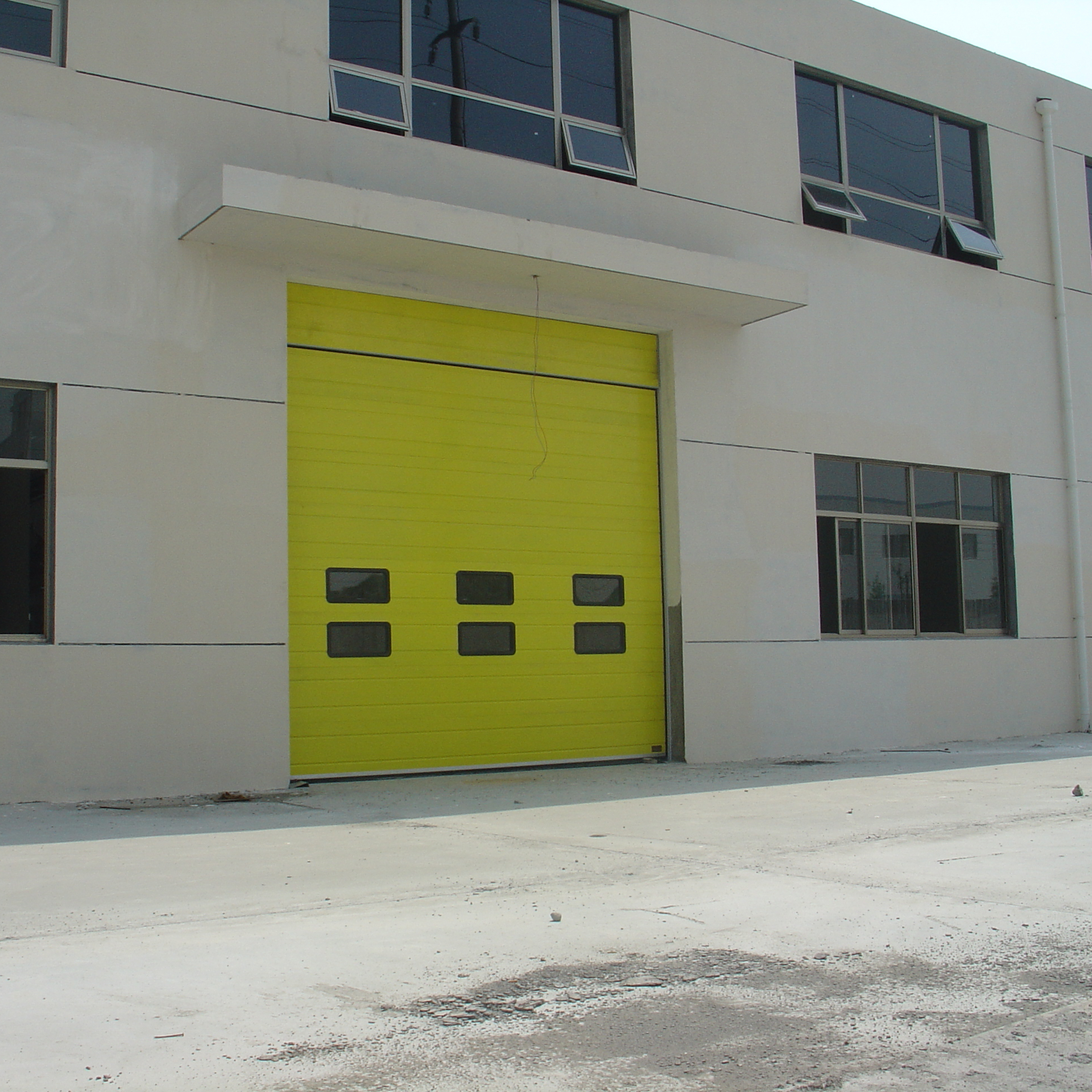
Overview
Inspect moving parts and safety devices regularly,Keep tracks, rails, and sensors clean,Record abnormal noise, vibration, impact, or slow operation early
Routine visual inspection
Check panels, curtains, hinges, guide rails, tracks, fasteners, seals, and visible wear before problems affect daily operation.
Motor and control checks
Verify smooth operation, limit settings, emergency stop, manual release, control box condition, and activation devices.
Safety device checks
Test photo sensors, safety edges, warning lights, and emergency controls according to the project maintenance schedule.
Record and respond to faults
Document unusual noise, vibration, impact damage, slow movement, or incomplete closing so service decisions can be made quickly.
Buyer Questions
How often should industrial doors be checked? Frequency depends on traffic, environment, and door type, but high traffic doors should be checked more regularly.
What should be cleaned on a high speed door? Curtain surfaces, guide areas, sensors, and floor areas should be kept clear for reliable operation.
Why should safety sensors be tested? Safety sensors help reduce collision and obstruction risk, so they should remain clean and functional.
What signs indicate maintenance is needed? Unusual noise, shaking, slow movement, damaged curtain, poor sealing, or failure to close fully should be checked.
Can maintenance reduce downtime? Yes. Routine inspection helps identify wear or adjustment needs before they become operating failures.
Automatic Warehouse Sectional DoorVIEW PRODUCTS